
Monroeville · Plum · Murrysville · East Suburbs of Pittsburgh
Leak Detection in Monroeville, PA
Our local plumbing professionals perform leak detection in Monroeville, PA, tracing hidden water loss before setting the repair scope. The search area and access affect testing costs and time, whether the first clue is a higher bill, a damp wall or water beneath a basement floor.
Call (412) 317-7311- Calls taken around the clock
- Testing scope priced first
- Plum, Murrysville and Monroeville
What changes the price of tracing a leak
Leak testing costs and investigation time depend mainly on the size of the search area and how readily the piping can be reached. A visible connection under a sink gives your technician a clearer starting point than water appearing far from a concealed pipe.
- Search area: Testing several branches involves more investigation than checking one fixture.
- Concealed access: Piping behind a wall or beneath a slab may require additional locating work.
- Testing method: Sound, moisture and temperature checks serve different purposes.
- Opening and repair: Cutting a surface, fixing the pipe and restoring the finish need their own scope.
Before testing begins, one of our local plumbing partners sets out the investigation and its price. A leak detection company should distinguish locating work from the pipe repair; the plumber cost guide explains how scope affects budgeting.
What lengthens or shortens the leak search
The time and labor involved in finding a leak depend on whether the water source can be isolated and the pipe reached. A leak that is active during testing is easier to trace than moisture left by an intermittent problem.
Your technician narrows the search by checking fixtures, meter activity and individual supply branches. Monroeville Municipal Authority's leak-check guidance notes that a moving meter leak indicator with fixtures and water-using appliances off indicates leaking water. That observation helps establish water loss but does not locate the break by itself.
Finding and fixing have different schedules. Repair access, replacement parts and any required inspections determine the work after the source is identified.
What the leak testing visit covers
- Search scope: Testing time starts with the likely area of water loss. Your technician discusses when dampness appears and whether water use has changed.
- Fixture and meter checks: Accessible fittings and meter activity help narrow the investigation. Supply isolation helps distinguish a running fixture from a concealed pipe problem.
- Acoustic testing: Listening equipment helps trace sounds from an active pressurized leak when pipe material and surrounding conditions support that method.
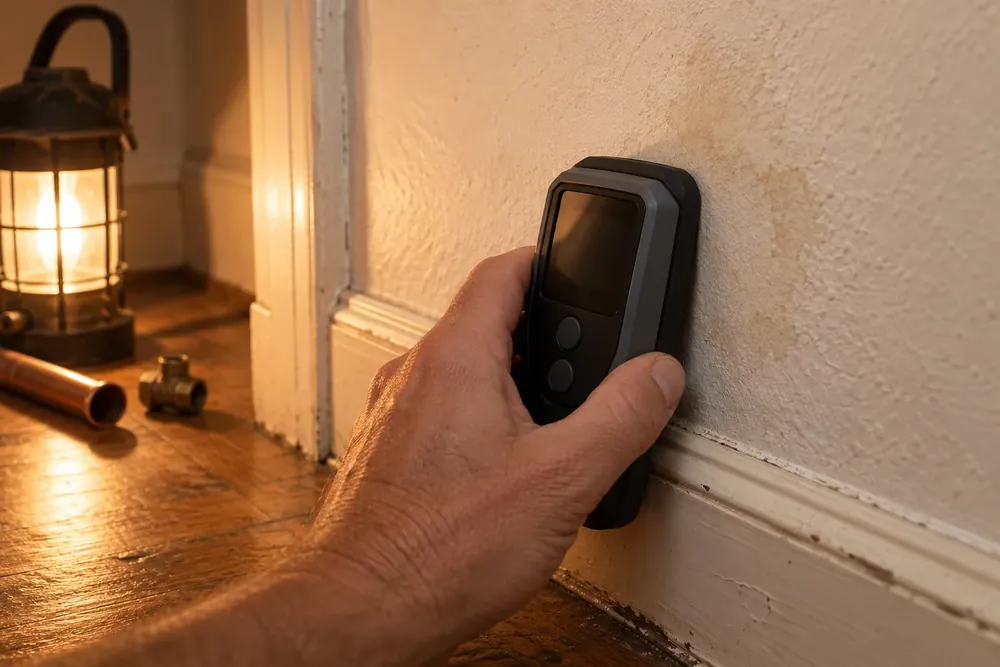
- Moisture and thermal checks: Moisture readings and temperature patterns help target further testing. Your technician evaluates those clues alongside the plumbing layout before proposing an opening.
- Findings and repair plan: Leak detection services establish the suspected source and needed access. Pipe repair and replacement of wall or floor finishes are explained as additional work in the scope.
Unexplained water loss and damp areas warrant a call
- A rising water bill with no clear change in use is a reason to call about hidden loss.
- Running-water sounds continue when faucets and water-using appliances are idle.
- A wall or ceiling stain returns after the surface dries.
- Water appears at a basement floor joint without an obvious source.
- A cabinet stays damp around supply fittings or the wall behind them.
How testing leads to an agreed pipe repair
- Begin narrowing the search by phone. Call with the location of the damp area or the change in water use; the plumber arranges the visit.
- Set the testing scope and price. Your technician explains the investigation, then checks accessible fixtures and isolates likely pipe branches.
- Review access before opening surfaces. Discuss the findings, the proposed pipe repair and any separate finish restoration before approving additional work.
- Check the repair before closing access. After the agreed pipe work, your technician tests the affected section and explains the next steps for restoring the wall or floor.
Defined testing costs and a local point of contact
- Investigation priced before testing: You hear what the search includes, with proposed pipe repairs explained separately when the findings establish the next step.
- Calls answered 24/7: Describe unexpected water loss whenever it comes to your attention, including overnight.
- A local plumbing contact: Searching for leak detectors near me starts with a call about the wet area and a plumber who handles the visit.
- Service across nearby towns: Leak searches cover Monroeville, Murrysville and Plum for damp walls, unexplained meter activity and concealed supply problems.
Limit water exposure and leave gas hazards immediately
For an active water leak, close the household water shutoff if it is safely accessible and call about locating the source. Avoid walking into pooled water near outlets or appliances; CDC's floodwater safety guidance identifies electrical hazards and advises staying out of standing water.
Gas odors require a different response. Peoples' gas safety guidance says to leave immediately, avoid switches, flames and phones in the affected area, and call 911 and the gas utility from a safe location. Do not search for the source or operate gas valves. A plumber for gas leak repair addresses piping work after the immediate emergency is assessed; gas line repair covers that separate service.
Related Plumbing Services
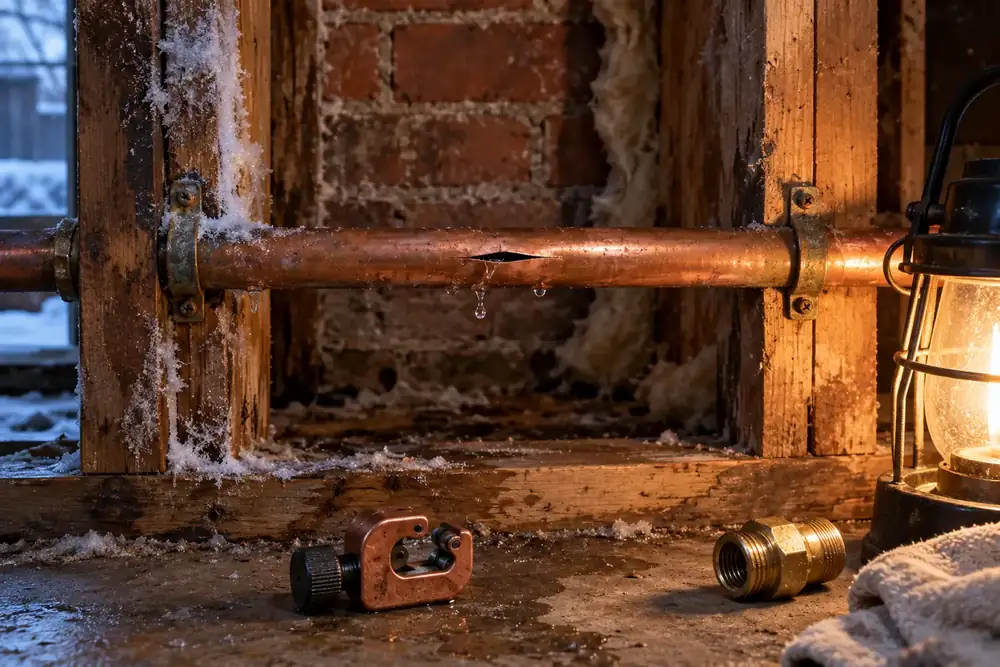 Burst Pipe Repair
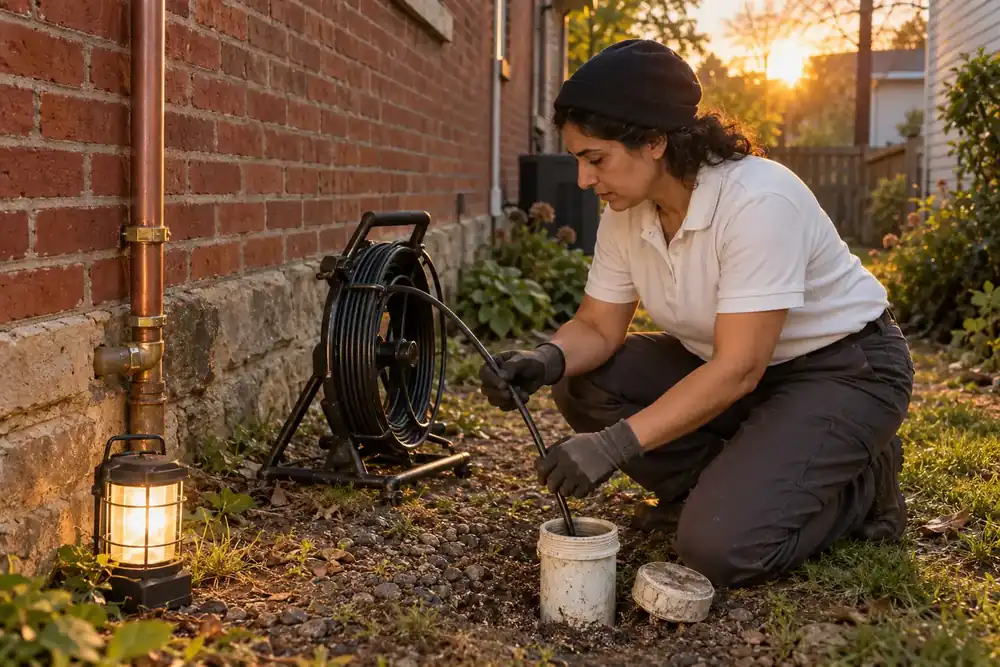 Sewer Line Repair
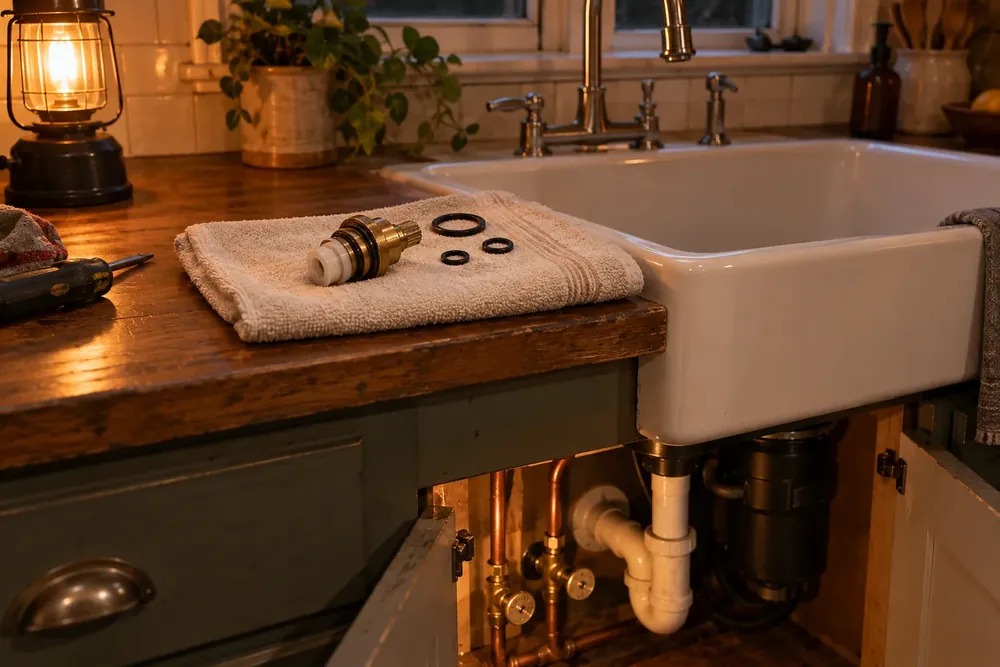 Faucet & Sink Repair
Areas We Serve Around Monroeville
Looking for leak detection near me in Monroeville, Plum or Murrysville? Call about hidden water loss, damp walls or basement pipe leaks.
Leak Detection FAQs
How much does finding a hidden leak cost?
The search area, pipe access and testing needed determine the investigation price. A visible drip requires a different scope from tracing a concealed supply line beneath a floor. Your technician explains what locating includes and identifies any proposed opening or repair separately. Call about the symptoms now; testing establishes where the water is coming from.
How long does locating a water leak take?
Search time depends on access, whether the leak is active and how easily individual branches can be isolated. Intermittent leaks may need additional investigation because the wet patch outlasts the water flow. Once the source is found, repair timing depends on access and parts. Discuss the locating work and repair sequence during the visit.
How does a technician find a concealed plumbing leak?
A technician combines fixture checks, meter observations and targeted testing to narrow the source. EPA WaterSense recommends comparing meter readings during a period without water use as a way to identify possible leakage. Sound and moisture checks then help direct investigation. Temperature patterns alone do not prove a pipe is leaking or identify every hidden break.
What should I ask a leak detection company near me?
Ask what the investigation includes, how findings will be explained and whether proposed openings and pipe repairs are priced separately. You can raise those points on the call while describing the damp area. Photos and a written scope can document the problem for insurance; coverage decisions belong to your insurer and depend on your policy.
What should leak detection services near me include?
The visit should include a defined search, testing suited to the suspected pipe and an explanation of the findings. A moisture alarm identifies water at its sensor, while a professional investigation traces the source and assesses repair access. Your technician explains the proposed pipe work and any wall or floor restoration needed after locating the leak.
Call to discuss unexplained water loss in Monroeville and have the testing scope explained before opening a wall or floor.
Call (412) 317-7311